
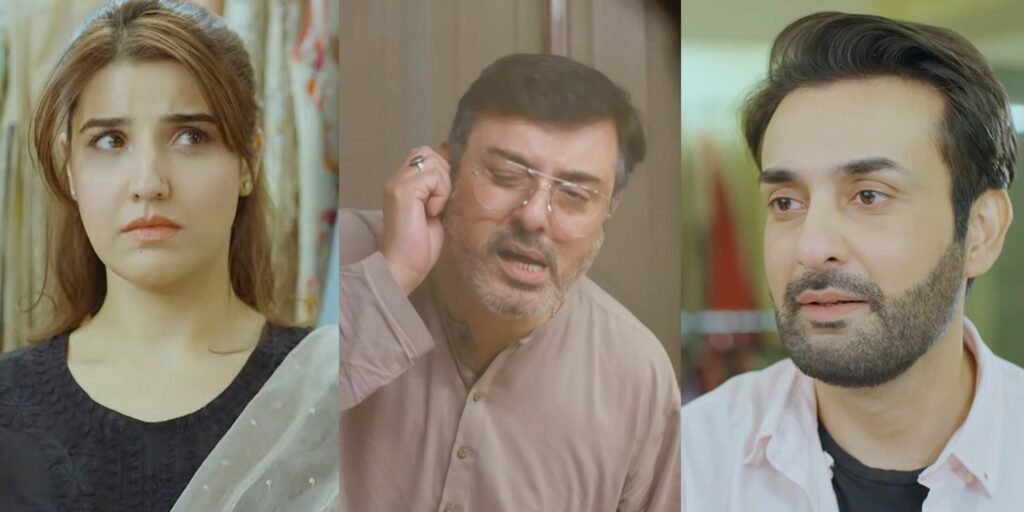
on Deception and Power
The drama revolves around the cunning and manipulative Farasat Ali Khan, played brilliantly by Nauman Ijaz. His character is portrayed as a controlling patriarch who ruins multiple lives due to his selfish motives and toxic mindset.
The strong supporting cast includes Hira Mani, Hareem Farooq, Affan Waheed, Aagha Mustafa Hassan, and Ahsan Afzal Khan, all of whom delivered impactful performances that kept viewers hooked till the end.
What Happened in the Last Episode?
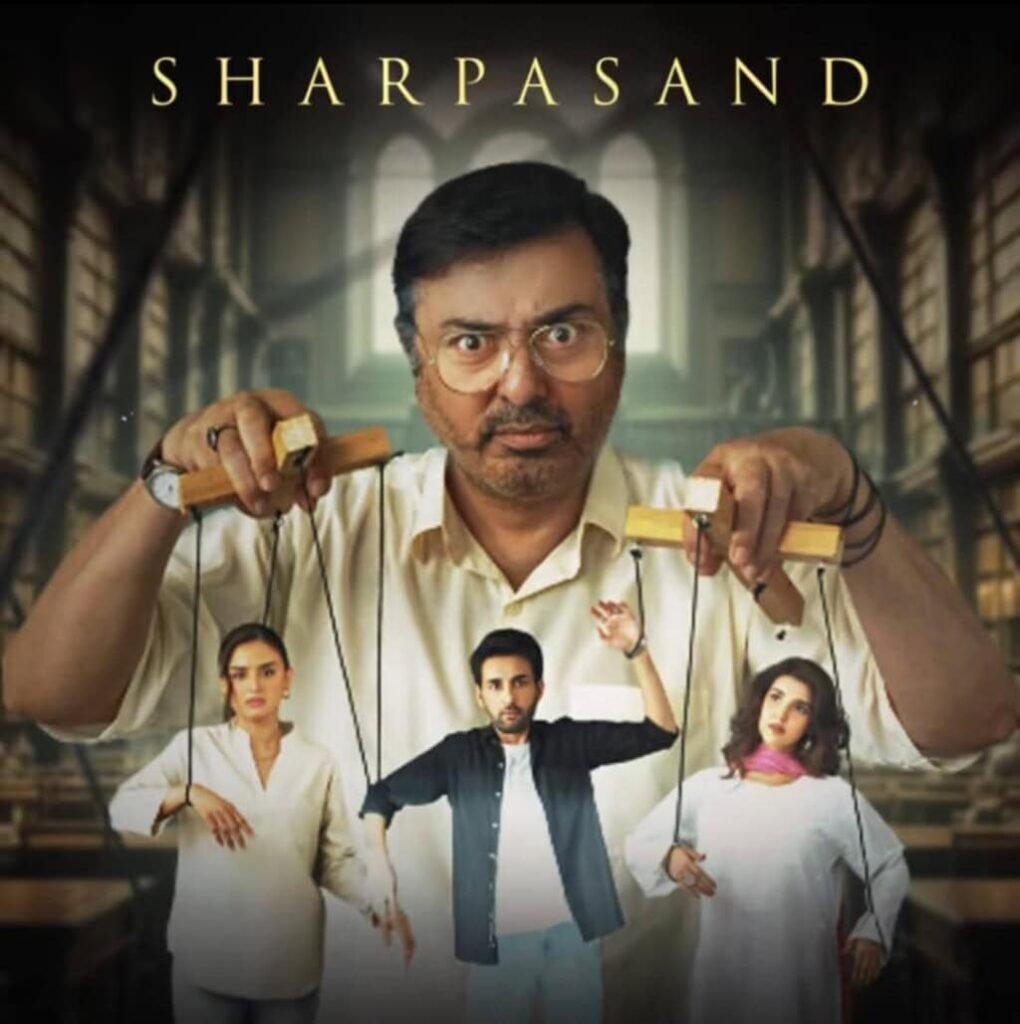
The final episode, which marked the 52nd installment of the drama, concluded on an unexpected note. Farasat Ali Khan faces financial downfall after his son makes a disastrous decision by marrying a deceitful woman. As a result, Farasat is forced to leave his luxurious home.
However, instead of facing consequences or redemption, he continues his manipulative behavior in a new neighborhood. The ending subtly suggests that toxic personalities like Farasat rarely change, even after major setbacks.
Public Reaction: Disappointment Over Lack of Justice
The SharPasand finale has sparked widespread criticism among Pakistani viewers. Fans were expecting a strong, justice-driven ending where Farasat would face the consequences of his actions.
Many viewers expressed frustration, saying the ending failed to deliver closure. Social media is flooded with comments like:
- “This is not the ending Farasat deserved—he was still giving advice like nothing happened.”
- “Innocent characters suffered more than the real villain.”
- “Sanam and Fida’s story was ruined, and they deserved a happy ending.”
- “The drama shows reality, but audiences wanted justice.”
This backlash highlights a common viewer expectation in Pakistani dramas—audiences prefer moral closure where wrongdoers are held accountable.
A Realistic Yet Controversial Message
Despite criticism, some viewers appreciated the realism portrayed in the finale. The drama sends a strong message: people with deeply rooted toxic traits rarely change.
This narrative aligns with real-life societal issues, where manipulative individuals often escape consequences. The ending reflects psychological realism rather than cinematic justice, making it thought-provoking yet controversial.
Nauman Ijaz Wins Hearts Again
Amid mixed reactions to the storyline, one aspect that received universal praise is Nauman Ijaz’s performance. His portrayal of Farasat Ali Khan was intense, layered, and emotionally gripping.
Fans and critics alike are calling it one of his most powerful roles, proving once again why he is considered one of Pakistan’s finest actors.
Final Verdict: Hit Drama, Divided Audience
SharPasand successfully maintained high ratings, strong storytelling, and engaging performances throughout its run. However, the ending has divided audiences—some appreciate its realism, while others feel it lacked justice and emotional satisfaction.
For Pakistani drama lovers searching for meaningful storytelling with strong characters, SharPasand remains a must-watch. But if you prefer satisfying endings where villains face consequences, this finale might leave you wanting more. The source of this news is Reviewit.