

Pakistani dramas have earned international recognition for their emotional storytelling, compelling romances, and memorable on-screen couples. Whether it’s intense love stories, family conflicts, or dramatic twists, viewers remain invested in the journeys of their favorite characters.
However, a curious trend has recently emerged in several popular Pakistani drama serials: brides asking their husbands to leave the room on their wedding night. What was once an unusual plot twist now appears to have become a recurring trope in hit television dramas.
From emotional confrontations to no-intimacy agreements, audiences have started noticing a pattern that has sparked debate among drama fans.
The New Pakistani Drama Formula? Wedding Night Drama

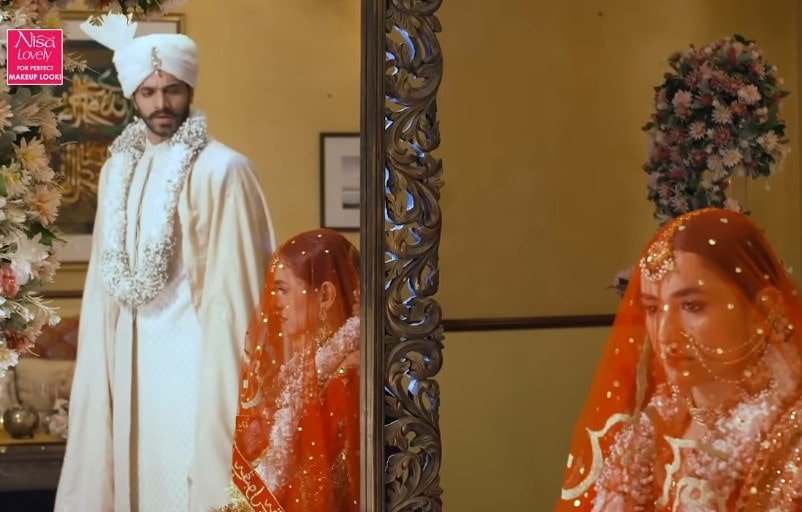

Pakistani television has always relied on emotional tension between lead characters to keep viewers engaged. After weeks or even months of misunderstandings, sacrifices, heartbreak, and romantic build-up, audiences often expect a satisfying conclusion after the wedding.
Instead, many recent dramas have introduced a familiar scene: the bride refusing to accept her husband, asking him to leave the room, or setting conditions immediately after marriage.
Sometimes the groom leaves out of anger, while in other cases, he steps back to respect his bride’s emotional state. Regardless of the reason, the trend has become increasingly noticeable.
Exhibit One: Ali and Miral in Shaidai
The popular drama Shaidai has received strong ratings and considerable audience attention. Throughout the series, the lead characters Ali and Miral appeared emotionally comfortable and deeply connected.
Their chemistry, interactions, and emotional bond suggested a strong relationship. However, immediately after their marriage, viewers witnessed yet another familiar television trope when the groom was asked to leave the room.
The unexpected shift left many viewers questioning the logic behind the storyline.
Exhibit Two: Ansa and Anas Surprise Viewers
Another example that caught viewers’ attention involved Ansa and Anas. Throughout the story, Anas consistently supported Ansa, sacrificed for her happiness, and even transferred his only property to her.
Despite his unwavering support, audiences were surprised when Ansa ultimately asked him to leave after their wedding, continuing the now-familiar pattern seen in recent dramas.
Many fans questioned whether the scene genuinely contributed to character development or simply added unnecessary drama.
The Original Wedding Night Shock: Tere Bin’s Meerab and Murtasim
Perhaps the most memorable example remains the blockbuster drama Tere Bin. The show’s iconic couple, Meerab and Murtasim, became household names across Pakistan and internationally.
However, their wedding night became one of the most discussed moments in Pakistani drama history when Meerab introduced a no-intimacy contract immediately after their Nikah ceremony.
The controversial storyline generated widespread debate, divided audiences, and became one of the defining talking points of the drama.
Does This Trend Add Value to Pakistani Dramas?
As Pakistani dramas continue to evolve, viewers are increasingly questioning whether repeated storytelling patterns enhance emotional depth or simply serve as dramatic devices.
While some audiences believe these scenes highlight emotional trauma, personal boundaries, and character complexity, others argue that the repeated use of the same trope weakens storytelling and reduces realism.
With Pakistani dramas enjoying global popularity on television and digital streaming platforms, audiences are paying closer attention to narrative choices and character development than ever before.
The question remains: are wedding night rejection scenes creating meaningful drama, or has this become a formula that Pakistani television writers rely on too often?
What do you think? Does the trend of brides asking their husbands to leave on the wedding night add emotional depth to the story, or is it time for Pakistani dramas to move on from this recurring trope? The source of this news is From Reviewit.